Introduction
Footwear has always played an important role in fashion, sports, and personal identity. Shoes are no longer just objects designed to protect our feet; they have become symbols of style, comfort, status, and self-expression. Among the many brands that have influenced the footwear industry, Jordan has made one of the most remarkable impacts on global sneaker culture.
Inspired by basketball legend Michael Jordan, the Jordan brand transformed athletic footwear into a cultural phenomenon. What began as a basketball shoe line became a worldwide movement that influenced fashion, music, streetwear, collecting, and even the way people view luxury products.
Before Jordan sneakers became popular, most athletic shoes were primarily associated with sports and physical performance. Jordan changed this perception by making sneakers desirable both on and off the basketball court. People began buying shoes not only to play basketball but also to express their personalities, follow trends, and connect with their favorite athlete.
Today, Jordan sneakers are worn by athletes, celebrities, students, fashion enthusiasts, and sneaker collectors across the world. Their influence demonstrates how a single footwear line can change an entire industry.
This blog explores how Jordan changed footwear culture, influenced fashion trends, built sneaker communities, and helped shape the modern sneaker market.
1. The Beginning of the Jordan Revolution

The story of Jordan footwear began in 1984, when Michael Jordan entered the NBA and partnered with Nike. At the time, basketball footwear was largely focused on performance, durability, and basic athletic design.
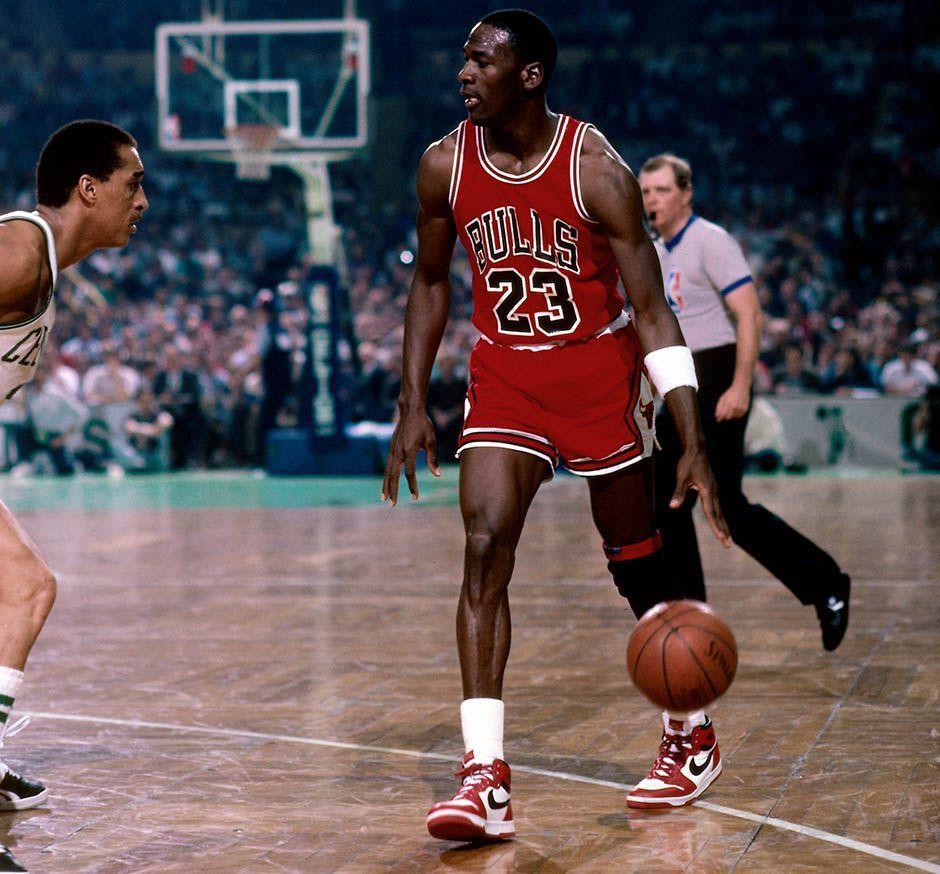
Nike introduced the first Air Jordan sneakers in 1985. Their bold red, black, and white color scheme reflected the Chicago Bulls’ colors and immediately attracted attention.
The shoes stood out because they looked different from many traditional basketball sneakers. Their high-top design, striking colors, and connection to a rising basketball superstar made them appealing to fans and athletes alike.
Michael Jordan’s success on the court strengthened the shoes’ popularity. Every impressive performance, memorable game, and championship victory helped build the reputation of his footwear line.
However, the success of Jordan sneakers was not based on basketball alone. They represented ambition, confidence, and excellence. Wearing them allowed fans to feel connected to an athlete who had become a global icon.
This was an important turning point in footwear history: sneakers were becoming more than sports equipment; they were becoming cultural symbols.
2. From Sports Shoes to Everyday Fashion

One of Jordan’s biggest contributions to footwear culture was helping basketball sneakers become everyday fashion items.
Previously, many consumers purchased athletic shoes mainly for sports, exercise, or physical activities. Jordan sneakers challenged that idea by making basketball-inspired footwear attractive for daily wear.
People began pairing sneakers with jeans, T-shirts, jackets, shorts, and other casual clothing. The shoes became an essential part of streetwear, a fashion style influenced by urban communities, skateboarding, hip-hop, basketball, and youth culture.
The versatility of Jordan designs helped them appeal to different audiences. A pair of Air Jordan 1s could complement a casual outfit, while other models became statement pieces in more expressive streetwear looks.
This shift also changed how footwear companies approached product design. Brands increasingly recognized that consumers wanted shoes that combined performance, comfort, and appearance.
Jordan helped establish the idea that athletic footwear could be fashionable enough to wear almost anywhere. Sneakers moved from gym bags and basketball courts into schools, shopping centers, music events, and fashion shows.
As a result, the boundaries between sportswear and everyday clothing became less distinct
3. The Influence of Michael Jordan’s Personal Brand


The Jordan brand’s success cannot be separated from Michael Jordan’s personal achievements and public image.
During his career, Jordan became known for his competitive spirit, athletic ability, confidence, and determination. His success with the Chicago Bulls helped establish him as one of basketball’s most recognizable figures.
These qualities became closely associated with his shoes.
Consumers were not simply purchasing footwear; they were buying into a story of greatness. Jordan sneakers represented the desire to perform better, stand out, and achieve personal goals.
The connection between athlete and product also helped change sports marketing. Instead of advertising a shoe solely through technical features, brands could build a compelling identity around the athlete wearing it.
Jordan became a powerful example of how personal branding could influence consumer behavior.
His footwear line demonstrated that an athlete’s cultural relevance could extend far beyond the playing field. Even people who did not regularly watch basketball began recognizing the shoes and appreciating their designs.
This connection between personality, performance, and fashion remains an important part of sneaker marketing today.
4. Jordan and the Rise of Sneakerhead Culture


Jordan sneakers played a major role in the growth of modern sneaker collecting.
A sneakerhead is someone who has a strong interest in collecting, studying, wearing, or trading sneakers. For many collectors, shoes are much more than everyday accessories. They are valuable cultural objects with stories, histories, and personal significance.
Jordan helped popularize this culture through its recognizable designs, historic releases, special editions, and collaborations.
Different models developed their own reputations. The Air Jordan 1 became associated with the beginning of the brand’s story, while models such as the Air Jordan 3 and Air Jordan 4 became important parts of sneaker history.
Collectors often look for original colorways, rare releases, limited editions, and shoes connected to memorable moments in basketball.
The excitement surrounding new releases also created a strong resale market. Some highly sought-after sneakers can sell for considerably more than their original retail prices, although resale values vary widely depending on demand, condition, rarity, and authenticity.
Social media has further expanded sneaker collecting. Enthusiasts share photographs, discuss upcoming releases, compare collections, and exchange information about rare pairs.
Jordan helped transform sneaker ownership into a hobby and, for some people, an investment-oriented pursuit. At the same time, it encouraged consumers to appreciate footwear design, craftsmanship, and cultural history.
5. The Impact of Jordan on Hip-Hop and Street Culture


Jordan footwear also became closely connected to hip-hop and urban street culture.
As hip-hop grew into a global cultural force, sneakers became important elements of the style associated with artists, dancers, musicians, and fans. Basketball shoes fit naturally into this environment because they were visually distinctive and connected to youth identity.
Jordan sneakers appeared in streetwear looks that included oversized clothing, graphic T-shirts, denim, sports jerseys, and statement accessories.
Their influence extended beyond appearance. Sneakers became a way for people to communicate their musical interests, cultural connections, and personal style.
The relationship between basketball and hip-hop helped Jordan footwear reach audiences who might never have purchased basketball shoes for athletic performance.
Over time, musicians, entertainers, designers, and other public figures helped introduce Jordan styles to new generations.
This relationship also influenced the wider fashion industry. Luxury labels and independent designers increasingly explored the combination of athletic footwear, streetwear, and high-fashion aesthetics.
Jordan became part of a broader cultural movement in which sneakers could carry meaning beyond their physical function.
6. Limited Editions and the Psychology of Exclusivity


Another important way Jordan changed footwear culture was through limited releases and exclusive designs.
Some sneaker releases are produced in limited quantities, creating excitement among collectors and fashion enthusiasts. When demand exceeds supply, consumers may compete to purchase a pair through launches, raffles, or authorized retail channels.
This scarcity can make certain releases feel special. Owning a rare pair may offer a sense of individuality, accomplishment, or connection to a particular moment in sneaker history.
Collaborations with designers, artists, and other brands have also helped introduce fresh interpretations of classic Jordan silhouettes.
These releases demonstrate that footwear can operate within the same world as collectible art, designer clothing, and luxury accessories.
However, exclusivity has disadvantages too. Limited availability can frustrate genuine fans, while high resale prices may make popular models inaccessible to many consumers. Counterfeit products and misleading resale listings also create challenges.
Despite these issues, the limited-release model has influenced how many footwear companies launch products and build excitement around new collections.
Jordan helped make the sneaker release itself an event, rather than simply another product arriving in a store.
7. Jordan’s Influence on Global Fashion, Including India


Jordan’s influence is not limited to the United States. Its footwear has become recognizable across international fashion markets, including India.
In India, sneaker culture has gained visibility through social media, online shopping, streetwear communities, celebrity fashion, and the growing popularity of international sportswear brands.
Young consumers increasingly see sneakers as a way to express individuality and create distinctive outfits. Jordan designs can be paired with denim, cargo trousers, oversized T-shirts, hoodies, and contemporary casual clothing.
Social media platforms have made sneaker trends more accessible by allowing enthusiasts to discover new releases, explore styling ideas, and follow collectors from around the world.
The growing interest in sneaker culture has also encouraged conversations about authenticity, retail pricing, resale markets, and responsible purchasing.
However, Jordan footwear is not equally accessible to everyone. Import costs, limited stock, and resale markups can make certain models expensive for Indian consumers.
Nevertheless, the brand’s influence illustrates how global sneaker culture can cross geographical boundaries and become part of local fashion identities.
Consumers do not simply copy international trends; they often combine them with their own clothing preferences, cultural influences, and lifestyles.
8. Innovation in Design and Performance


Although Jordan is strongly associated with lifestyle fashion, performance remains an important part of its heritage.
Different generations of Air Jordan sneakers have introduced distinctive design elements, materials, cushioning systems, and construction techniques.
The Air Jordan 3, for example, is especially recognized for its elephant-print detailing and its role in establishing the visible Jumpman branding on the shoe. The Air Jordan 4 became known for its distinctive support structures, mesh panels, and recognizable silhouette.
These designs helped show consumers that technical sports footwear could also have a strong visual identity.
The brand’s influence encouraged the broader footwear industry to pay attention to both functionality and aesthetics. Consumers increasingly expected sneakers to look good while offering comfort, durability, and suitable performance.
Not every Jordan model is designed for the same purpose, however. Some models are better suited to casual wear and collecting, while others are designed with basketball performance in mind.
This distinction is important for buyers. A shoe that looks fashionable is not automatically the best choice for playing sports, running, or walking long distances.
Jordan’s lasting influence lies partly in its ability to connect athletic heritage with design that remains recognizable outside the sporting world.
9. The Role of Social Media in Modern Jordan Culture


Social media has taken Jordan’s cultural influence to another level.
Platforms such as Instagram, YouTube, TikTok, and online sneaker communities allow people to share collections, review new releases, discuss styling, and learn about sneaker history.
Unboxing videos and product reviews can generate excitement before a shoe even reaches retail stores. Influencers and celebrities also affect which colorways and models become popular.
Online communities have made sneaker knowledge easier to access. Buyers can compare designs, learn how to identify authentic products, and discover models they might not encounter in local stores.
At the same time, social media can encourage excessive consumption. The pressure to own every trending release may lead some people to spend beyond their budgets or purchase shoes primarily for online recognition.
A healthier approach is to appreciate Jordan footwear for its design, comfort, personal meaning, and history rather than simply following every trend.
Social media has strengthened the global sneaker community, but it has also made it important for consumers to distinguish genuine interest from marketing-driven pressure.
10. The Future of Jordan and Footwear Culture


As footwear culture continues to evolve, Jordan faces new opportunities and challenges.
Consumers increasingly expect brands to deliver fresh designs while respecting the heritage that made iconic models popular. Balancing classic silhouettes with modern innovation will remain important.
Digital shopping, online product launches, resale platforms, and virtual communities will continue to influence how consumers discover and purchase sneakers.
Sustainability is another important consideration. Many footwear buyers are becoming more interested in product durability, responsible material choices, and reducing unnecessary consumption. The wider sneaker industry will need to address these expectations as it develops future products.
Jordan’s future will also depend on reaching younger consumers without losing the loyalty of long-time fans.
The brand has an advantage because its history connects sports, fashion, music, and popular culture. Its most recognizable models can appeal to people for different reasons: some value their basketball heritage, others appreciate their design, and many enjoy the role they play in personal style.
Whether through classic reissues or new designs, Jordan is likely to remain an influential reference point in sneaker culture.
Conclusion
Jordan changed footwear culture by transforming basketball sneakers into symbols of fashion, identity, and cultural influence.
From the original Air Jordan 1 to modern lifestyle releases, the brand helped redefine how people purchase, wear, collect, and discuss sneakers. Its influence can be seen in streetwear, hip-hop, celebrity fashion, sneaker collecting, product marketing, and the growth of global footwear communities.
Perhaps its greatest achievement is the way it connected a product with a powerful story. Michael Jordan’s sporting success gave the shoes an identity, while distinctive designs and cultural connections helped that identity grow beyond basketball.
Today, sneakers are an essential part of everyday fashion for millions of people. They can represent memories, personal taste, creativity, and a connection to a wider community.
Jordan did not simply change the way sneakers look; it helped change what sneakers mean to people. Its legacy demonstrates that footwear can be much more than something we wear on our feet. It can be a statement of who we are, what we admire, and how we choose to express ourselves.